Executive Protection Training
Training Academy
Developing Essential Executive Protection Skills
Executive protection requires more than physical security skills. Professionals working around executives, public figures, corporate leaders, and other high-profile clients must be able to recognize potential threats, evaluate changing environments, coordinate movement, and respond quickly when circumstances do not go according to plan. Executive protection training helps security professionals build those specialized capabilities through instruction focused on the realities of protective work.
Whether you already work in security, are transitioning from military or law enforcement service, or want to expand your qualifications, Top Gun Security’s professional training can provide a stronger foundation for pursuing opportunities in executive protection and related areas of private security. Our training emphasizes practical skills, sound decision-making, preparation, and the professional standards expected when protecting clients in dynamic environments.
Professional Security Training
What Is Executive Protection Training?
Executive protection training prepares security professionals for the responsibilities involved in protecting individuals who may face elevated security concerns because of their occupation, visibility, wealth, position, or circumstances. Unlike conventional security assignments that may focus primarily on a fixed property or location, executive protection often requires professionals to operate in changing environments while remaining attentive to the client, surroundings, schedule, and potential threats.
Training typically begins with the fundamentals of protective operations, including how protection teams are organized and how personnel maintain appropriate positioning around a client. Students learn that effective protection is largely built on preparation rather than reaction. Understanding an environment before the client enters it can significantly improve a protection team's ability to identify concerns and respond effectively.

Risk management and threat assessment are also important parts of executive protection education. Protective professionals must learn how to evaluate information, recognize unusual behavior, identify vulnerabilities, and distinguish credible concerns from ordinary activity. These skills support more informed decisions before and during an assignment.
Personal security fundamentals tie these concepts together. Students develop a better understanding of how movement, positioning, observation, communication, and emergency procedures contribute to the protection of a client.
For professionals interested in operational security work, executive protection training can also complement experience gained through executive protection bodyguards assignments or work as a private security bodyguard.
Skills Covered During Executive Protection Training
Executive protection involves numerous skills that must work together. Training introduces students to the planning, observation, communication, and response techniques used during professional protective assignments.
Advance Planning
Strong executive protection often begins before the client arrives. Advance planning involves evaluating locations, transportation routes, schedules, entrances, exits, emergency resources, and potential areas of concern.
Students learn how preparation can reduce unnecessary uncertainty during an assignment. Understanding where a client is going, how the environment is structured, and what alternatives are available allows protective personnel to respond more efficiently when circumstances change.
Situational Awareness
Protective professionals must remain attentive without becoming distracted by ordinary activity around them. Situational awareness training helps students develop a systematic approach to observing people, environments, and changes in behavior.
The objective is not to treat every unfamiliar person as a threat. Instead, students learn to establish what appears normal for an environment and recognize behaviors or developments that may deserve additional attention.
Protective Intelligence and Threat Assessment
Information can be one of the most valuable tools available to an executive protection professional. Protective intelligence involves gathering and evaluating information that could affect the safety of a client or an upcoming assignment.
Students are introduced to methods for identifying potential threats, recognizing vulnerabilities, assessing available information, and communicating relevant concerns. These principles help protection teams make informed decisions rather than relying solely on what happens immediately around the client.
Emergency Response
Even careful planning cannot eliminate every potential emergency. Executive protection professionals must be prepared to respond when a medical incident, security threat, transportation problem, unexpected crowd, or other disruption occurs.
Training addresses decision-making during rapidly developing situations and emphasizes the importance of maintaining control, communicating clearly, and moving the client toward greater safety when necessary.
Client Management and Professional Conduct
Executive protection is a client-centered profession. Protective personnel may spend significant time around clients, family members, employees, business associates, and members of the public.
Professionalism, discretion, communication, and reliability are therefore essential. Students learn how to provide effective security while respecting a client's schedule, privacy, responsibilities, and personal preferences.
Who Should Attend Executive Protection Training?
Executive protection training can benefit professionals from several security-related backgrounds. Security officers who want to move beyond traditional post assignments can use specialized training to develop skills associated with mobile and personal protection work.
Depending on your career goals and licensing needs, programs such as Level IV Security Guard PPO Training can provide additional preparation for personal protection work. Professionals who already hold applicable credentials should also remain aware of Level IV Security Guard PPO Re-Qualification requirements that may apply to maintaining their qualifications.

Security Officers
Executive protection training can benefit professionals from several security-related backgrounds. Security officers who want to move beyond traditional post assignments can use specialized training to develop skills associated with mobile and personal protection work.

Military Veterans
Military veterans may also find that some of their existing experience transfers well into protective security. Discipline, observation, planning, teamwork, and the ability to operate under pressure can provide a valuable foundation, although civilian executive protection introduces its own professional expectations and operational considerations.

Law Enforcement Personnel
Law enforcement personnel can similarly benefit from understanding how private protective operations differ from traditional policing responsibilities. Executive protection requires a strong emphasis on prevention, advance work, client movement, discretion, and adapting security procedures to a client's daily activities.

Security Professionals
Existing security professionals may attend training to expand their abilities or pursue more specialized assignments. Those beginning their professional security education may also consider completing foundational programs through our Houston Academy before pursuing advanced protective work.
Benefits of Executive Protection Training
Specialized training can broaden the range of assignments a security professional is prepared to pursue. Although completing a course does not replace experience, it can give students a structured introduction to the methods, expectations, and responsibilities involved in executive protection.
Career Advancement
For experienced security officers, this training can support career advancement by providing knowledge beyond conventional site security. Understanding advance work, protective formations, threat assessment, and client management can make it easier to transition into assignments requiring a higher level of planning and personal interaction.
Specialized Expertise
Executive protection education can also help professionals develop specialized expertise. Protective assignments frequently require personnel to make decisions while balancing security, discretion, mobility, and the client's objectives. Training gives students opportunities to think through these situations before encountering them professionally.
Professional Credibility
Formal instruction can contribute to professional credibility as well. Employers and clients often want to know that protective personnel understand established security principles and have invested in developing the skills associated with the work.
Expanded Opportunities
Most importantly, additional training can expand the types of opportunities a security professional is prepared to consider. Those interested in developing a long-term career in protection services can explore our careers information to learn more about professional opportunities within the security industry.
Executive Protection Training Emphasizes Prevention
The image of executive protection often focuses on dramatic emergency responses, but professional protection is primarily preventive. A well-prepared protection specialist attempts to identify problems early enough that the client never has to encounter them.
That preventive mindset affects nearly every part of an assignment. Advance work can reveal logistical concerns before an event begins. Situational awareness can identify unusual behavior before someone reaches the client. Route planning can provide alternatives when traffic, crowds, demonstrations, or unexpected circumstances affect travel.
Protective intelligence can provide additional context when a client faces a known concern or travels into an unfamiliar environment. Communication between protection personnel ensures that relevant information reaches the people who need it.
The goal is not simply to react effectively when something goes wrong. It is to create conditions that reduce the likelihood of a serious security problem developing in the first place.
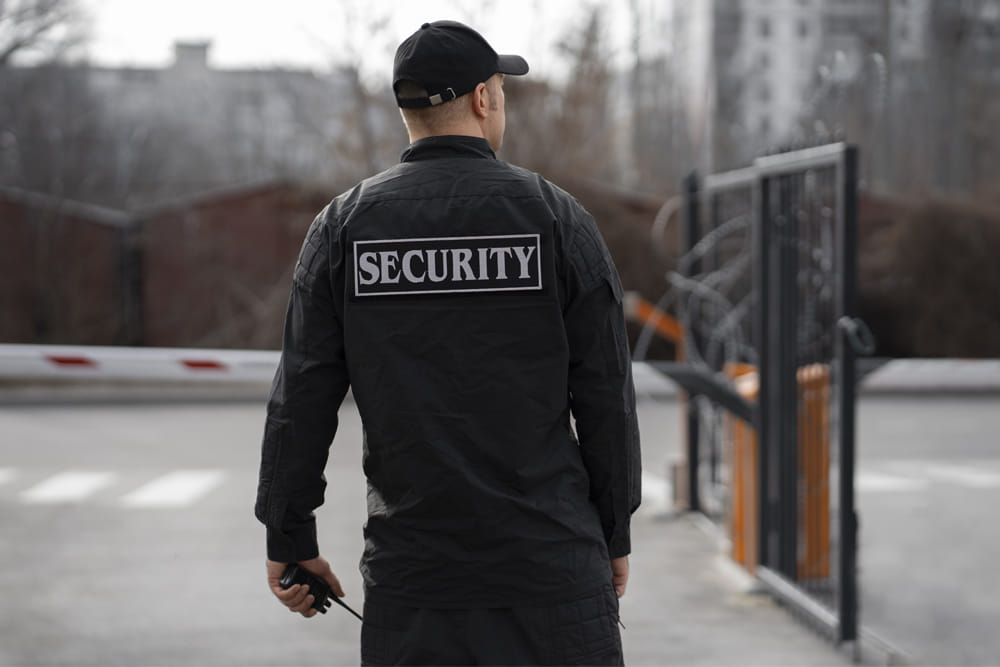

Real-World Decision-Making Matters
Executive protection cannot be learned entirely through theory. Protective professionals routinely encounter situations where several factors must be evaluated at the same time, and the appropriate response may depend on the environment, available personnel, client needs, and nature of the threat.
For that reason, our instruction connects protective concepts with practical applications and realistic scenarios. Students are encouraged to consider how they would apply planning, observation, communication, positioning, and emergency response principles when circumstances change.
Scenario-based instruction also reinforces the importance of judgment. A protection professional must know when a situation requires intervention and when an unnecessarily aggressive response could create additional problems.
Developing that judgment is an important part of becoming a capable security professional.

Why Train With Us?
Experienced Instructors
Effective executive protection instruction should reflect the realities of professional security work. Our training is built around practical skills and industry-focused instruction designed to help students understand not only what protective professionals do, but why particular procedures are used.
Real-World Scenarios
Experienced instructors bring professional context to the classroom, helping students connect security concepts with the challenges they may encounter during actual assignments. Real-world scenarios allow students to examine situations that require observation, communication, planning, and rapid decision-making.
Practical Applications
Our broader training programs also give security professionals opportunities to continue developing their qualifications. Students beginning through our Houston Academy can pursue security education that supports different stages of their careers, while professionals in other markets can explore training opportunities through our Austin Academy, Dallas Academy, and San Antonio Academy.
Industry-Focused Instruction
Executive protection training fits within that larger professional development path by helping qualified individuals build more specialized personal protection capabilities.
Build Specialized Skills for Protective Security
Executive protection can be a demanding profession because clients expect security personnel to remain prepared, professional, adaptable, and discreet. Developing those qualities requires more than learning how to respond to a physical confrontation. It requires understanding how preparation, threat assessment, intelligence, communication, movement, and emergency planning work together.
Specialized training gives security professionals an opportunity to develop that broader perspective while practicing skills that may support future work in executive protection, personal protection, and other advanced security assignments.
Enroll in Executive Protection Training Today
Take the next step toward developing specialized protective security skills. Our executive protection training provides practical instruction for security officers, veterans, law enforcement personnel, and other professionals interested in expanding their knowledge of personal protection operations.
Explore available training opportunities and course requirements, or contact Top Gun’s team for help determining which program aligns with your current qualifications and professional goals.

How Can We Help?